MODUMEKS MODULAR WATER TANKS AND MECHANİCAL SYSTEMS




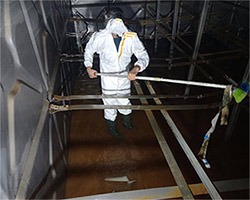
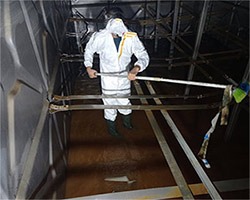
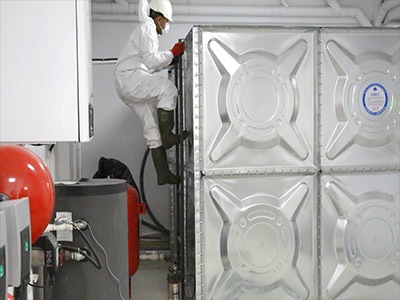
Tank Cleaning is an important process that must be carried out regularly to ensure water remains healthy, safe and usable.
CLEANING PERIOD
At least once a year (mandatory)
For hospitals, hotels and food establishments:
→ Once every 6 months
For schools, sites, villas, and industrial facilities:
→ Once every 12 months
Preventing the Formation of Bacteria and Microorganisms
Over time, bacteria, algae, fungi, and microorganisms can grow in water tanks. This renders the water unusable and can cause health problems.
Cleaning Sediment and Sludge Accumulation
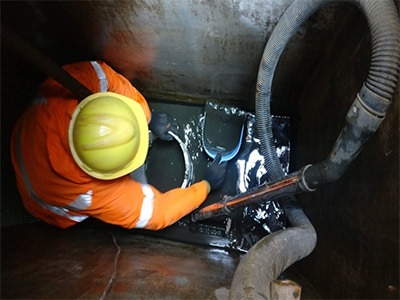
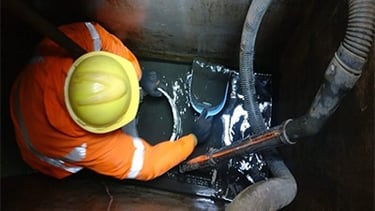
Water entering storage tanks leaves behind sediment, lime, rust and sludge over time. These accumulations both reduce water quality and cause unpleasant odours.
Reducing the Risk of Rust and Corrosion
Corrosion and rust can form over time, especially in galvanised, steel and metal tanks. Early intervention is possible through cleaning and inspection.
Improving the Potability and Hygiene Quality of Water
A clean tank provides clean water that is safe for health. A dirty tank, on the other hand, contaminates the water and poses a risk.
Extending the Lifespan of Networks and Equipment
Dirty water can damage pumps, filters, hydrophores, and other equipment in the network. Systems that operate with clean water have a longer lifespan.
Compliance with Regulations and Standards
In some sectors (hospitals, food production, hotels, etc.), tank cleaning is a legal requirement. Regular cleaning is essential for operational safety.
Preventing Bad Odours and Colour Changes
Organic matter accumulating in the tank can cause bad odours and discolouration in the water. Cleaning improves the appearance and smell of the water.
You can contact us for a Professional Periodic Cleaning and Maintenance Plan for Modular Water Tanks.
Mechanical Corrosion Cleaning
Dirt and Sediment Cleaning
A clean tank provides clean water that is safe for health. A dirty tank, however, contaminates the water and poses a risk.